
The role of the architect within the creative act, as it relates to this project, ‘Forgotten Spaces, Creative Places’ is different to what is perhaps typically thought of as the role of an architect as a sole maker of beautiful objects. From my perspective, the role of the architect as someone who makes beautiful objects, outside the world of theoretical architecture, is very much not what it used to be and is on the decline, though I am hesitant to call it dead.
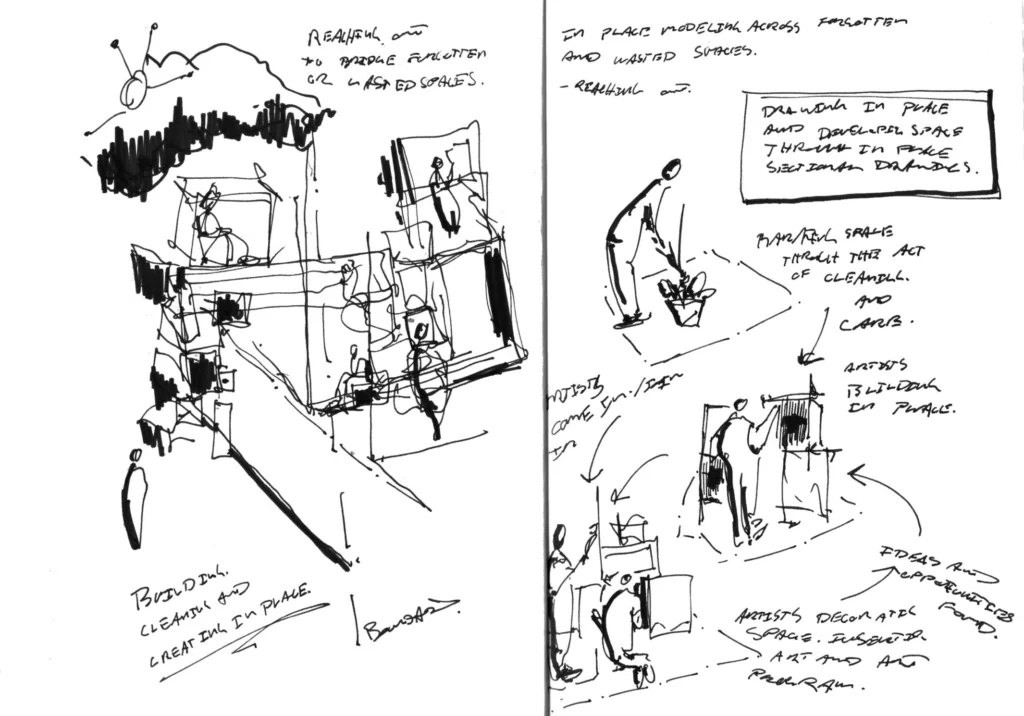
So, within that context, I see, through this project, the architect as a facilitator and maker of process, building creative communities around space through the acts of spatial care, expression, and construction. Through the building of communities, the architect can aid in constructing an environment and support network within creative space where one feels safe to express their ideas and culture, adding to it in their own way for others to observe, understand, and add to as residencies and exhibitions come and go. Over time, building up what is called ‘time depth’: a physical, observable network/collection of representations of members of a community, their conversations across existing contexts, communities, and themselves, through architecture, care and creative expression.
I find it so interesting and exciting, when reading Kenneth Bromphy’s paper ‘Urban prehistoric enclosures: empty spaces/busy places’(1), back in 2024, which brought me into this fascinating world of forgotten spaces and their stories, the ways in which humans, since the dawn of time, have built complex communities around particular structures over long periods of time, and how, through the actions of each member, visible representations of people, their stories and their roles in the creation of society and culture are held within this idea of time depth. Especially in the physical context of Sydney CBD and the presence of such alleyways dating back to the very early days of Sydney, colonial Australia, and its repression of Country and the very vast time depth embodied within that from millennia of First Nations people groups developing culture so tightly intertwined with Country through the the Dreamtime, making of objects, understanding uniquely the seasons, farming and agriculture practices, and so much more.
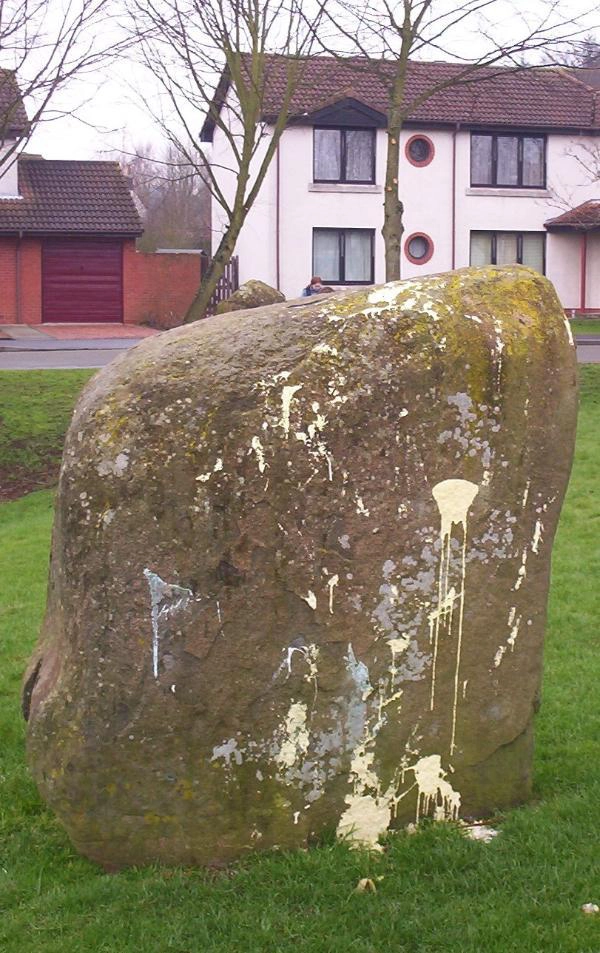
Perhaps outside of the scope of this project, or perhaps not, I ask this question. How can we as architects, creative and artistic practitioners, work with time depth to make heard the lost voices of those long before us, reconcile and make visible and generate dialogues that can lead to greater cultural understanding and cohesion?